 SnapNuvo
Scam alerts · November 16, 2026 · By Robert
AI voice clone scam calls: how to protect your parents
An AI voice clone scam is a phone call that sounds exactly like your son, daughter or grandchild, in a panic, asking for money right now. The fix is simple and free: agree on a family safe word today, and if a "relative" calls in an emergency, hang up and call them back on the number you already have. The FBI recommends both.
How an AI voice clone scam works
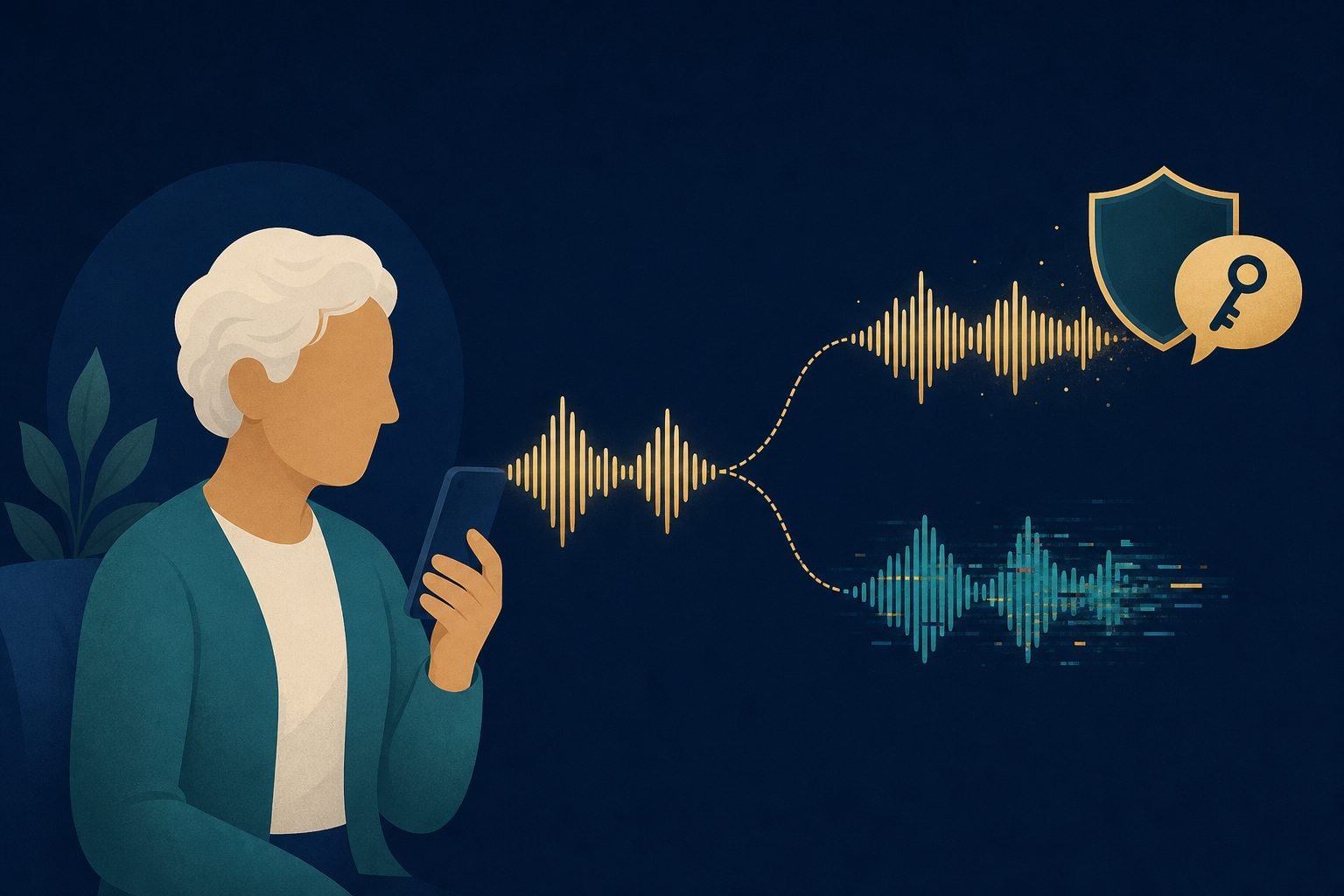
The FTC calls these family emergency scams: someone pretends to be a relative in trouble, often a grandchild who "wrecked the car" or "got arrested," and asks you to wire money or buy gift cards (FTC). What's new is the voice. The FBI warns that criminals now use AI to create short audio clips of a loved one's voice to fake an emergency or demand a ransom (FBI, December 2024). In July 2026 it added that cloned voices "can sound nearly identical" to the real person (FBI, July 2026).
The script is almost always the same: there's an emergency, it has to be fixed with money right now, and "please don't tell Mom." Urgency plus secrecy is the tell, whatever the voice sounds like.
Protect your parents in 4 steps
- Pick a family safe word. The FBI suggests a secret word or phrase that confirms who's calling. Choose it in person, never text it, and keep it off social media.
- Hang up and call back. If a relative calls in trouble, end the call and dial their real number yourself. A real emergency survives a two-minute callback.
- Never pay by gift card, wire or crypto. The FBI says not to send money, gift cards or cryptocurrency to anyone you only know by phone or online. A real police station or hospital won't ask for gift cards.
- Shrink what's public. The FBI also says to limit how much of your voice and photos are online and keep social accounts private.
Print those four lines and stick them by your parents' phone. It sounds old-fashioned, and it works because the scam depends on panic.
How scammers know your family's names
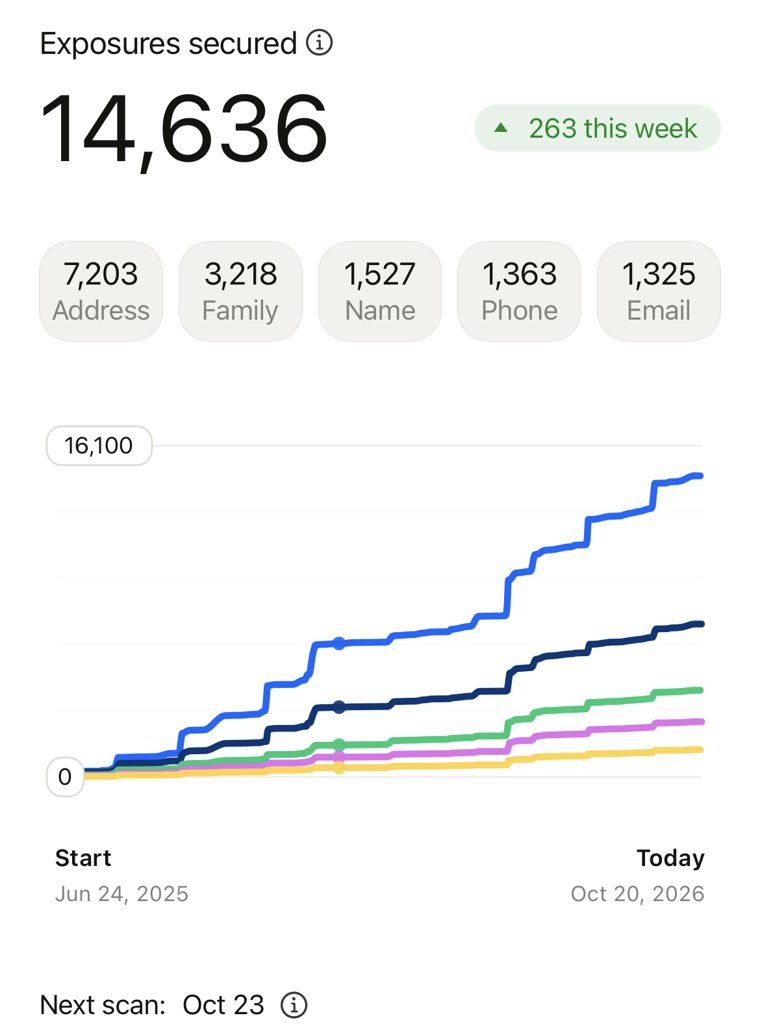
A fake emergency only works if the caller knows who to pretend to be. People search sites hand that over for free: your name, your address, your phone number and a list of your relatives on one page. On our own Cloaked account, 3,218 of the 14,636 exposures it has secured since June 2025 were "family" exposures, second only to addresses.
You can take those listings down for free, site by site. We show how in remove yourself from Whitepages, Spokeo and TruePeopleSearch, and explain the bigger picture in what is a data broker.
If the money is already gone
Call the bank, wire service or gift card company right away and ask them to stop the payment. Then report it at ReportFraud.ftc.gov. If your parent is 60 or older, the DOJ Elder Justice Hotline at 1-833-FRAUD-11 (1-833-372-8311) can help them file a report with the FBI (FBI).
Want to see which sites list your family? Cloaked has a free exposure scan before you pay anything.
Run Cloaked's free scan →May earn SnapNuvo a commission
Common questions about AI voice scams
Can scammers really clone a voice from a short clip?
Yes. The FBI warns that criminals use AI to make short audio clips that sound like a loved one, and its July 2026 alert says cloned voices can sound nearly identical to the real person.
What should my family's safe word be?
Something easy to remember but never posted online: not a pet's name, street or birthday. Say it out loud in person, don't text it, and agree that anyone asking for money in a hurry has to say it.
What if my parent already sent money?
Call the bank or gift card company right away and ask them to stop or reverse the payment, then report it at ReportFraud.ftc.gov. People 60 and older can get help from the DOJ Elder Justice Hotline at 1-833-372-8311.
How do scammers know my family members' names?
Often from people search sites, which list your relatives next to your address and phone number, and from public social media. Removing those listings makes the story harder to fake.
Related: What is a data broker? · How to freeze your credit · How to stop spam calls on iPhone
Sources
- FBI IC3, Criminals use generative artificial intelligence to facilitate financial fraud, December 3, 2024
- FBI IC3, FBI warns of scammers impersonating the IC3, July 20, 2026
- FTC Consumer Advice, Family emergency scams
- Our own Cloaked account, exposures by type, checked October 20, 2026